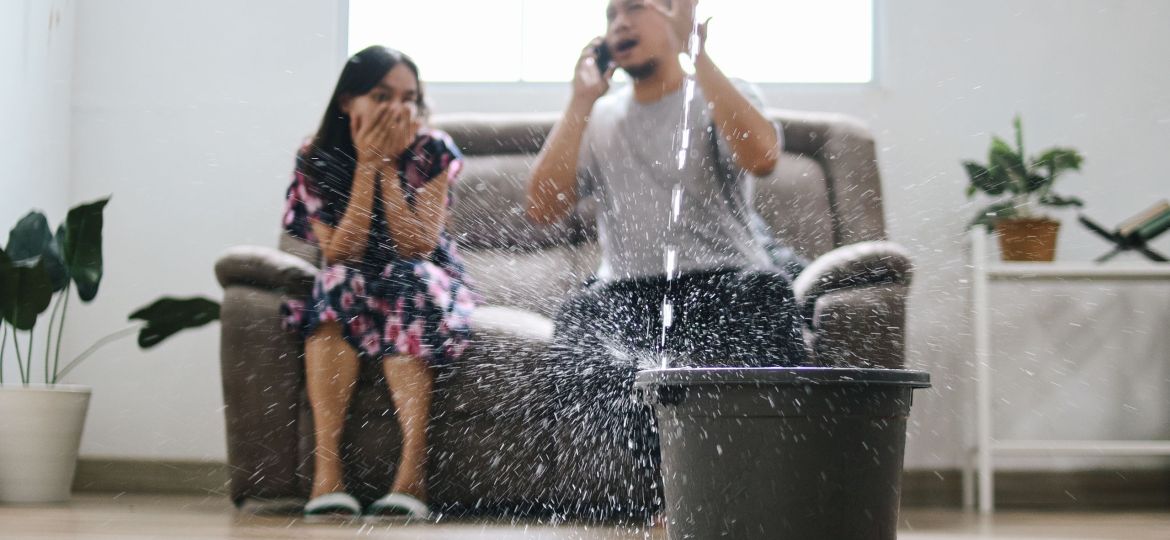
Water damage can strike at any time—whether from a burst pipe, storm flooding, or a leaky roof—and when it does, time is critical. Water restoration is the process of cleaning, drying, and rebuilding areas affected by water intrusion to prevent long-term damage and health risks. Acting fast is not just helpful—it’s essential.
What Is Water Restoration?
Water restoration involves a multi-step process that begins with identifying the source of the water, stopping it, and assessing the extent of the damage. Professionals then remove standing water, dry the affected areas, sanitize the space, and restore the property to its original condition. This process helps minimize structural damage, prevent mold growth, and salvage as much property as possible.
Categories and Classes of Water Damage
Not all water damage is the same. The category of water damage refers to the level of contamination:
- Category 1: Clean water from a sanitary source like a broken supply line.
- Category 2: Grey water with some contamination, such as water from washing machines or dishwashers.
- Category 3: Black water that is heavily contaminated, including sewage or floodwaters.
The class of damage indicates how much water has been absorbed:
- Class 1: Minor damage, affecting only part of a room.
- Class 2: Entire room affected, with water in the walls or carpet.
- Class 3: Saturated ceilings, walls, floors, and insulation.
- Class 4: Deep water saturation requiring specialized drying methods.
Understanding these levels helps restoration experts determine the right tools and methods for each job.
Why Quick Action Matters
Time is a major factor in limiting water damage. Within minutes, water can spread throughout your property, soaking everything in its path. Within hours, walls and furniture begin to swell and break down. After 24–48 hours, mold can begin to develop. The sooner restoration professionals arrive, the better the chances are of preventing irreversible damage and high repair costs.
Professional Equipment and Expertise
Water restoration teams use industrial-grade tools like water extractors, air movers, dehumidifiers, and moisture meters to thoroughly dry and disinfect areas. They are trained to spot hidden pockets of moisture in walls, floors, and ceilings that may not be visible but can cause mold growth and structural issues over time.
Certified restoration specialists follow industry guidelines (like those from the IICRC) to ensure proper drying, sanitation, and restoration. They also assist with documenting damage for insurance claims, helping homeowners navigate the often-complicated process of reimbursement.
Preventing Future Damage
After restoration, professionals may offer recommendations to help prevent future problems—such as installing sump pumps, improving drainage, or sealing foundation cracks. Preventive maintenance is key to keeping your home safe and dry during storms or unexpected plumbing failures.
In conclusion, water restoration is more than just mopping up water—it’s a critical process that protects property and health. If your home or business suffers water damage, contacting a trusted restoration service quickly can make the difference between a simple cleanup and a major rebuild. Time lost is damage gained—so act fast.